

This blog post reviews the personal health journal which includes an inventory of all his/her tests, tabulated tracking of important results, and more!

Brain health is extremely important. A large part of what we do at Alliance is focused on maintaining and improving brain health. As we age, we all slow down, both physically and mentally, and we want to decrease the decline of both as much as possible. One of the ways we are able to evaluate cognitive changes is by doing lab work, then evaluating that in context with the entire person. We have partnered with Quest Lab and UMethod to provide a test known as RestoreU Method in order to have a more inclusive way of evaluating someone’s cognitive function. This is used in conjunction with the Cognivue test, other labs and possibly imaging, which were described in a previous blog.

We venture to say that most patients are familiar with the word cholesterol and have some concept of the importance it plays in cardiovascular health. It is also likely that most people have heard that there is more to it than simply measuring total cholesterol. After all, when was the last time your doctor ordered anything other than a four-way profile of LDL, HDL, Triglycerides, and Total Cholesterol? And for those of you who like math, did you know the formula (roughly) is: HDL + LDL + 0.2(Triglycerides) = Total?

I once heard a microbiologist say that the human is nothing more than a transport medium for the microbiological world. What he is inferring is that though we use our 30 trillion cells to orchestrate physical movement in this world, the 40 trillion microbes that live within us lack that mobility. That’s not a type-o … there are likely more microbes living within the gut than there are human cells for any individual. And it would be too anthropocentric of us to think we should ignore them. Though small in size, they do outnumber us, and what they lack in size they make up for in a complicated world of symbiotic relationships, outright battle for dominance, and production of by-products to improve their own environment which directly affects our gut health and overall sense of well being. Let’s talk about some common maladies for which we should consider the microbiome. There are many who suffer from recurring or constant difficulties involving nausea, pain, change in bowel habits, and food intolerances. So often, an extensive workup finds no severe problem that needs intervention. After that good news, the focus turns to managing symptoms. And that’s where things remain difficult for years, involving medications with side effects and expense. Of course, it’s in vogue to talk about food allergies and to adjust our diet, but why does that matter when it’s not a true allergy? Remember those trillions of microbes? Could they be part of the problem or part of the solution? Turns out, the answer is yes. Not always, but a lot of the time. For what we call functional abdominal pain (anatomically fine, no obvious disease, just doesn’t function smoothly), it can often be from “dysbiosis”, an imbalance in the groups of microbes. We humans function smoother when the various groups of organisms remain in a steady state. When one group outmaneuvers another or migrates location within the gut, it can create dysbiosis and functional abdominal pain. That’s where probiotics get their credibility. But which probiotic (hundreds to choose from) and in which combination? The reason there is so much confusion is that each of us is unique. Imagine that; one size does not fit all.
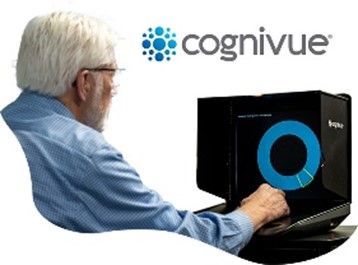
Introducing a new tool we have added to our clinic, filling a gap in the screening for early cognitive deficits … dementia. For an overview of the full screening process, please see our blog titled Neurocognitive Screening.

Neurocognition refers to the functional aspects of the brain. That includes receiving proper input from the senses (hearing, vision, touch, smell). It involves the processing of received information. It certainly involves the orchestration of complex movements, emotional interactions with others, and complex thought processing.

The Big “C." No one likes the word, but if we can’t say it, then we can’t look for it … and finding it early is everything. Let’s talk about Cancer Screenings

We would like to discuss body composition analysis, dietary choices, exercise regimens, and the integration of that into the Personalized Health Care Plan.

We are excited to share that we have a dietitian that we work closely with, who is helping our patients achieve their nutrition goals. Lauren comes and sees our patients in our clinic, or if you prefer, you can meet her at her office. We highly recommend reaching out to her to accomplish your goals.

At Alliance, it’s all about having personalized health care. Part of that personalization frequently involves prescription medications. Knowing the chemistry and genetics of each individual can significantly influence the response to those therapies. At Alliance, we are literally aiming to hit the mark as close as possible without undue side effects. Science is finally catching up to modern prescription management and we are pleased to offer our patients pharmacogenomic testing.
